Easy Crochet Christmas Candies Pattern: Step-by-Step
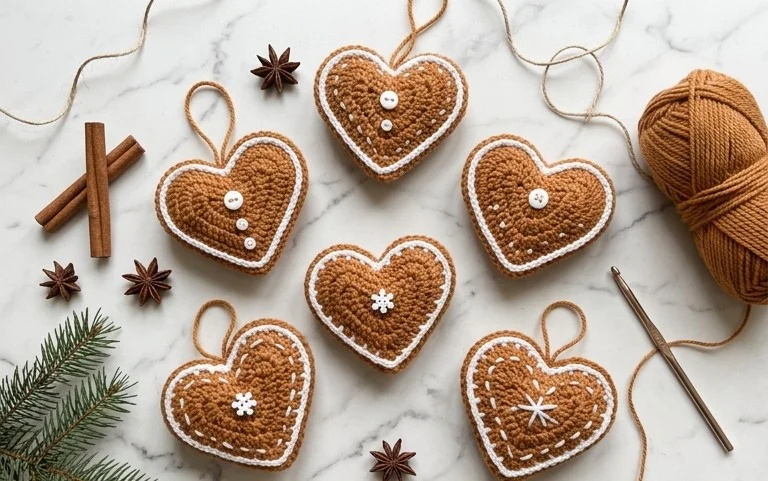
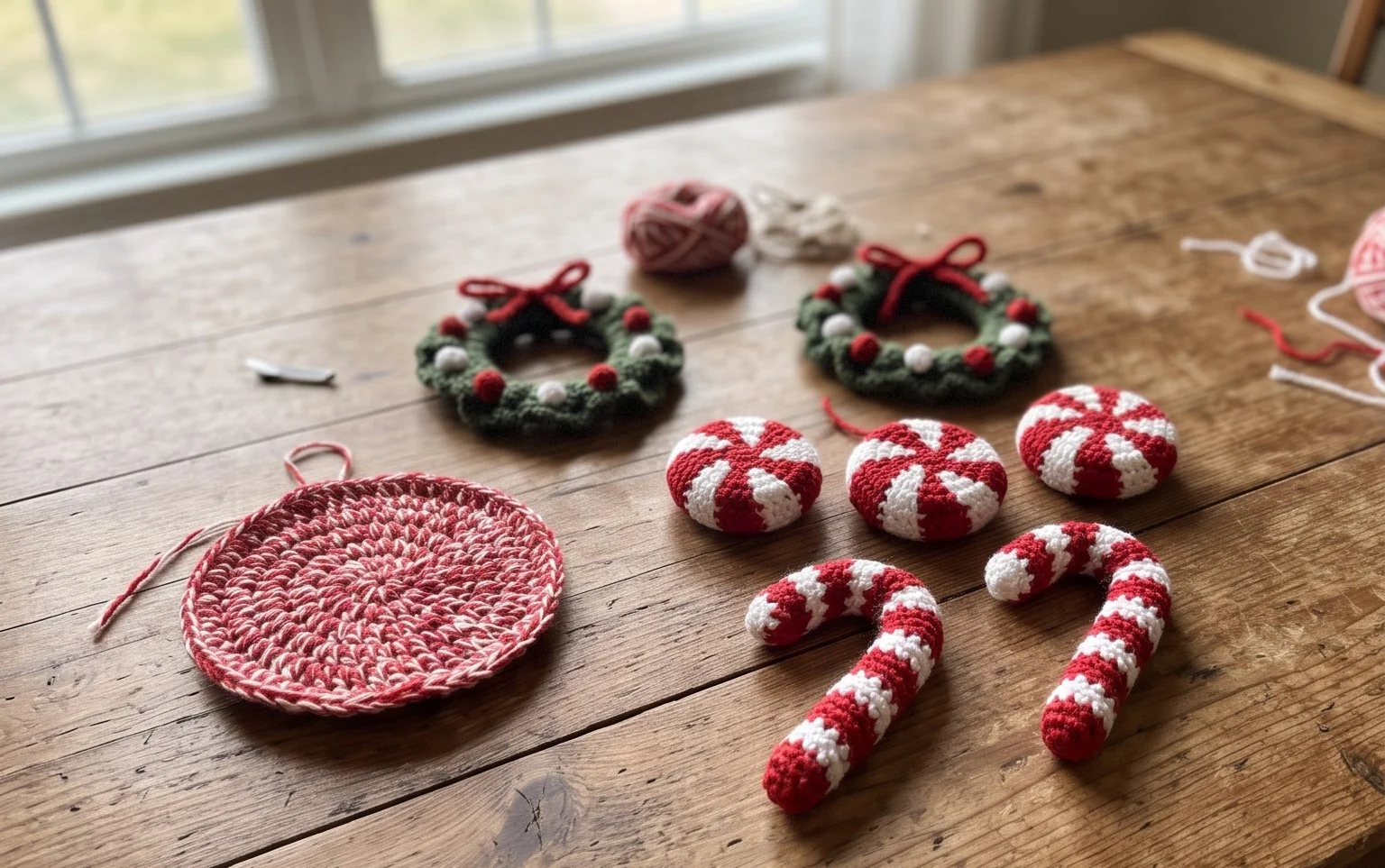
Small, spiraled ornaments bring a cozy handmade feel to your tree when the holidays arrive. These soft, stuffed decorations sit perfectly in your hand and work up in under an hour, making them a great project for using up leftover bits of red and white yarn. You will focus on tight tension to keep the stuffing inside while practicing circular increases and simple color changes. I love how they look tucked into a holiday bowl or tied onto gift tags for friends. This pattern breaks down every stitch so you feel confident as you go.
Why You’ll Love This Pattern
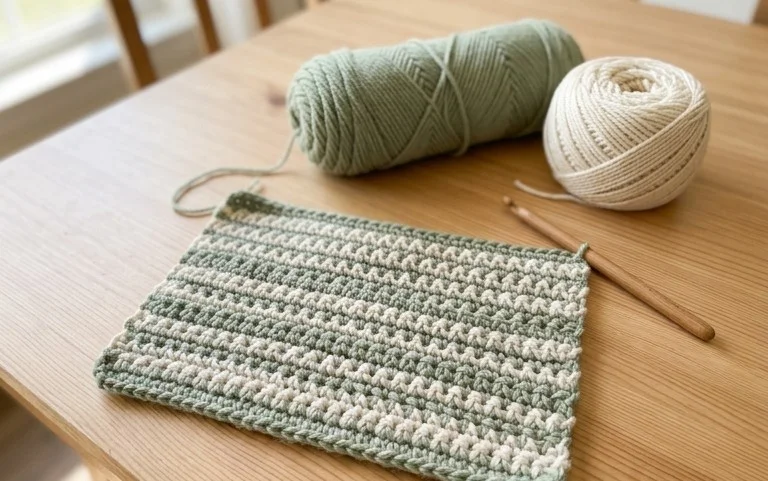
The Classic Crochet Dishcloth is a functional, everyday essential that transforms a basic kitchen staple into a durable cleaning tool. Working this project requires only a single skein of cotton yarn and a few hours, making it an ideal choice for testing new stitches or creating a stack of quick, handmade gifts. Because it uses a simple repetitive stitch pattern, it is easy to set down and pick up between chores. The dense texture provides enough friction to scrub surfaces effectively while remaining soft enough to handle glassware. Cotton yarn holds up well to frequent hot water washing, ensuring your work lasts through months of daily use.
I finished these dishcloths in a single weekend. The texture is much thicker and more effective at cleaning than the cheap store-bought versions I used to buy.
— Sarah, home crafter
Pattern Overview & Skill Level
- Skill Level: Beginner
- Approximate Time: 1 to 2 hours per dishcloth
- Construction: Flat work, crocheted in rows
- Finished Dimensions: 8 inches by 8 inches
Materials & Supplies Needed
- Yarn: Worsted weight (#4) 100% cotton yarn, approximately 75 yards per dishcloth.
- Hook Size: 5.0 mm (H-8) crochet hook.
- Notions needed: Tapestry needle for weaving in ends, scissors.
- Safe yarn substitutions: You may use a cotton-linen blend for increased durability, though this may make the fabric slightly stiffer. Avoid acrylic or wool yarns, as they do not absorb water well and are not heat-resistant enough for hot kitchen surfaces.
Stitch Guide & Abbreviations (US Terms)
- ch: Chain
- st: Stitch
- sc: Single crochet (Insert hook, yarn over, pull up a loop, yarn over, pull through both loops on hook)
- hdc: Half double crochet (Yarn over, insert hook, yarn over, pull up a loop, yarn over, pull through all three loops on hook)
- sl st: Slip stitch
- BLO: Back loop only
Step-by-Step Pattern Instructions
Dishcloth Base
This project is worked in rows. You will turn your work at the end of each row. The turning chain does not count as a stitch.
- Row 1: Ch 30. Starting in the second chain from the hook, work 1 sc in each ch across. (29 sts)
- Row 2: Ch 1, turn. Work 1 hdc in each st across. (29 sts)
- Row 3: Ch 1, turn. Work 1 hdc in the BLO of each st across. (29 sts)
- Rows 4–28: Repeat Row 3 until the piece measures 8 inches in height. (29 sts)
Finishing
After completing Row 28, do not fasten off. Work a final border of sc evenly around all four sides of the dishcloth, placing 3 sc into each corner to ensure the fabric lies flat. Once you return to the starting corner, join with a sl st to the first sc of the border. Fasten off and use your tapestry needle to weave the tail securely into the back of the fabric, ensuring it is hidden within the stitches.
Care & Washing Instructions
- Machine wash your dishcloths in warm water with like colors to prevent dye bleeding.
- Tumble dry on a low setting or lay flat on a clean towel to air dry completely.
- Reshape the cloth while it is slightly damp to maintain its original square dimensions.
Pro Tips & Common Mistakes to Avoid
Maintain consistent tension throughout the project by keeping your yarn flow steady; if the stitches look uneven, try going down a half-hook size. Use a stitch marker in the first and last stitch of every row to ensure you do not accidentally drop stitches at the edges, which is a common error that leads to a trapezoid shape rather than a square. Weave your ends in by traveling back and forth through at least three different directions within the fabric to prevent them from unraveling after repeated washing. Adjusting the size is straightforward by adding or subtracting foundation chains, but keep in mind that a larger dishcloth will require more than the suggested 75 yards of yarn.
Frequently Asked Questions
Can I use a different yarn weight for this pattern?
You can use DK or bulky weight yarn, but you will need to adjust your starting chain count to match the 8-inch width. A lighter weight yarn will require more chains, while a heavier yarn will require fewer.
Why is my dishcloth curling at the edges?
Edge curling often occurs if your tension is too tight. Try relaxing your grip on the yarn or switching to a slightly larger hook to allow the stitches more room to breathe.
Are these dishcloths safe to sell in my shop?
Yes, you are free to sell finished items made from this pattern. I only ask that you credit the pattern design to my name in your product listings.
Is cotton yarn the best choice for beginners?
Cotton yarn is ideal for beginners because it does not stretch like wool or acrylic, which helps you see your stitch anatomy clearly and maintains the integrity of your practice piece.
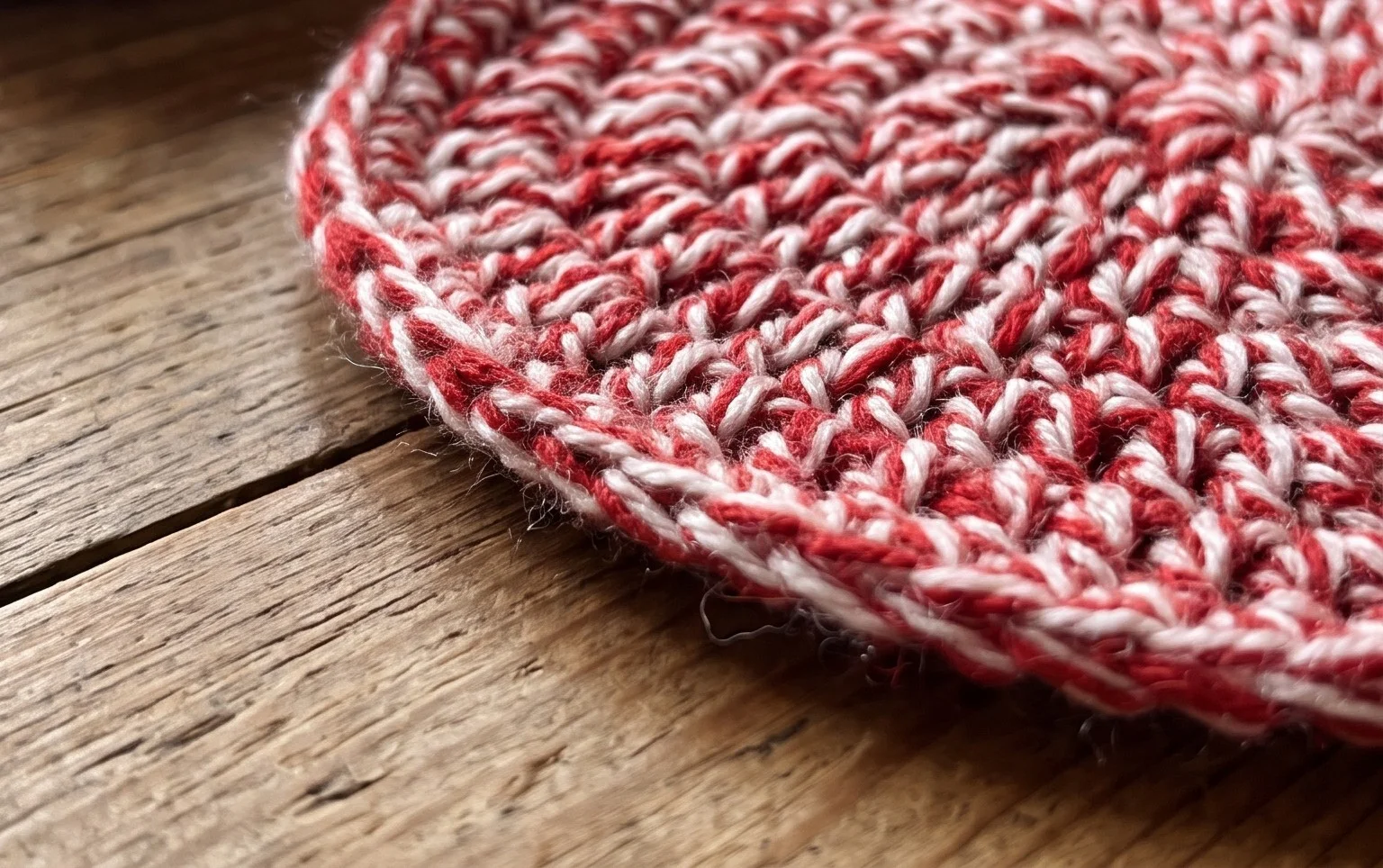
Your finished holiday sweets look charming hanging from pine branches or gathered in a rustic basket. You can vary the look by using a green and white color scheme or adding a touch of glittery yarn for extra sparkle. These decorations hold their shape well throughout the season thanks to the dense stitch count. Share a photo of your holiday display on your favorite social media site and visit my main page to find more simple projects for your upcoming winter knitting and crochet sessions.