Easy Free Square Blanket Crochet Patterns for Beginners
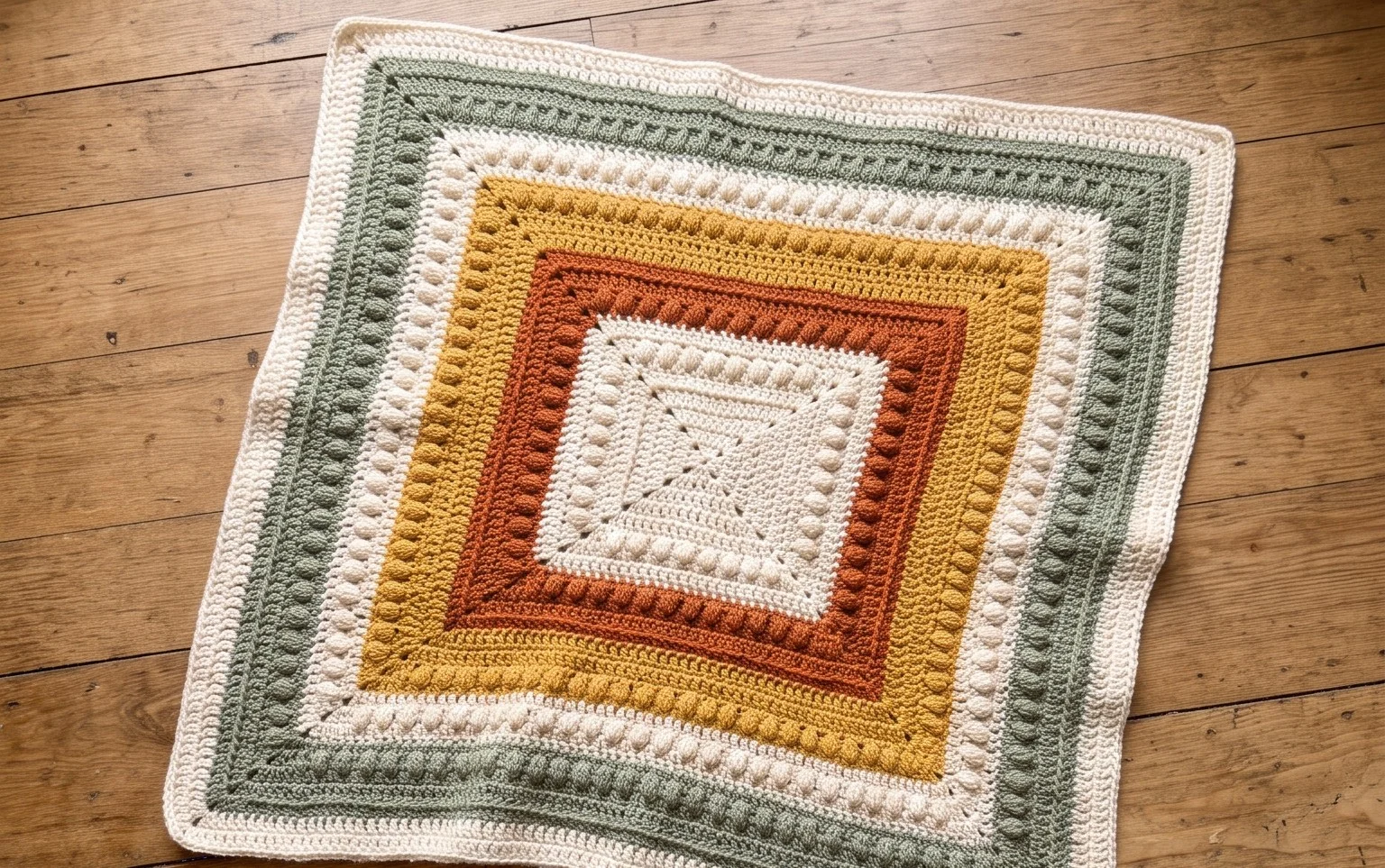
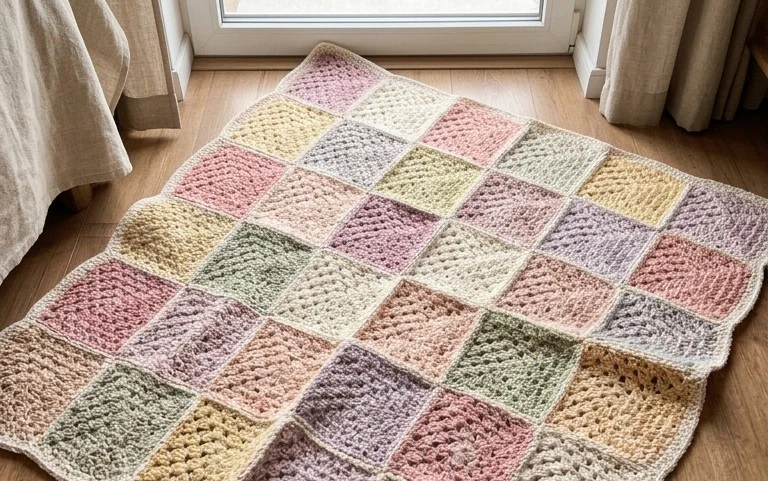
A stack of soft crochet squares can grow into a blanket with a look that suits a sofa, a reading chair, or a handmade gift. These square blanket patterns range from familiar granny clusters to solid blocks with simple texture, so beginners can choose a steady stitch while experienced makers can enjoy mixing colors and motifs. Each square is small enough to work on during a quiet evening, and joining them gives you a clear sense of progress as the blanket takes shape. You’ll find practical guidance on yarn, stitch choices, joining, and finishing, including ways to keep your edges neat and your squares close to the same size.
Why You’ll Love This Pattern
Two strands of cotton texture are not needed for this simple dishcloth; one strand of worsted cotton makes a flat, sturdy square with an easy-to-check row count. The pattern uses single crochet throughout, so it is a useful first project for practicing even edges and consistent tension.
At about 8 inches square, the cloth is a practical size for washing dishes or wiping counters. Its compact shape also makes it a manageable project to finish in a few relaxed sessions. Choose a washable cotton and it can go through regular laundry without special handling.
The straight rows make this a good project for using leftover cotton yarn, provided you have enough of a similar weight to finish. A crocheter who tried the pattern described the steady rows as easy to follow and liked how the finished cloth felt firm without being stiff.
The row count made it easy to keep my edges straight, and the cotton cloth came out just the right size for the sink.
— Maya, beginner crocheter
Pattern Overview & Skill Level
- Skill Level: Beginner. You need to chain, single crochet, turn, and count stitches.
- Approximate Time: 2–3 hours, depending on your pace and how often you pause to check your rows.
- Construction: A flat square worked back and forth in rows, with no shaping, seams, or separate border.
- Finished Dimensions & Sizing: About 8 × 8 inches (20 × 20 cm) when blocked lightly. The final size can vary with yarn, hook, and personal tension.
For a close match, aim for a gauge of 14 single crochet stitches and 16 rows over 4 inches (10 cm). Gauge is less important for a dishcloth than for a fitted garment, but it helps you estimate the finished size and feel of the fabric.
Materials & Supplies Needed
- Yarn: About 70 yards (64 m) of worsted-weight cotton yarn, category #4. A solid or lightly flecked color makes the stitch texture easy to see. Cotton is absorbent and handles frequent washing well.
- Hook Size: 5.0 mm / H-8 crochet hook. If your fabric feels loose and floppy, try a 4.5 mm hook; if it feels too dense to bend comfortably, try a 5.5 mm hook.
- Notions: Tapestry needle for weaving in the two yarn tails, scissors, and a ruler or tape measure for checking gauge.
- Substitutions: Use another smooth, washable cotton in a similar worsted weight. A cotton-bamboo blend may feel softer and drape more, while a thicker yarn or larger hook will make a larger, looser cloth and use more yarn. Avoid acrylic for a dishcloth intended to absorb water, as it does not absorb moisture like cotton.
Stitch Guide & Abbreviations (US Terms)
- ch: Chain. Yarn over and pull through the loop on the hook.
- sc: Single crochet. Insert the hook into the stitch, yarn over and pull up a loop, yarn over again and pull through both loops.
- st / sts: Stitch / stitches.
- rep: Repeat the stated instruction.
- turn: Rotate the work to begin crocheting across the next row.
The turning chain does not count as a stitch in this pattern. Work the first single crochet of each row into the first stitch, not into the turning chain. This keeps the stitch count at 29 and helps the sides stay straight.
Step-by-Step Pattern Instructions
Dishcloth
With the 5.0 mm hook and worsted cotton, make a foundation chain of 30. Keep the chain relaxed so the bottom edge does not pull inward. If your starting chain is much tighter than your rows, remake it with a larger hook or loosen your yarn hold.
- Row 1: Work 1 sc in the second ch from the hook and 1 sc in each remaining ch across. Turn. (29 sts)
- Row 2: Ch 1, sc in each st across, including the final stitch. Turn. (29 sts)
- Rows 3–32: Rep Row 2 for 30 more rows. Count 29 sc in every row and turn after each one. (29 sts per row)
After Row 32, fasten off, leaving a tail about 6 inches (15 cm) long. Pull the tail through the loop on your hook to secure it. Thread the tail onto a tapestry needle and weave it through several stitches along the edge, then change direction and weave through a few more. Repeat with the starting tail. Trim the ends close without cutting into the fabric.
Finishing
Lay the dishcloth flat and check that all four sides are even. If needed, dampen it with cool water, press out excess water in a towel, and ease the corners into a square. Let it dry fully before use. Do not stretch the edges hard, as that can leave the cloth wider at the corners than through the center.
Care & Washing Instructions
- Wash cotton dishcloths in a machine on a warm cycle, around 40°C / 104°F, or follow the temperature on the yarn label.
- Dry flat or tumble-dry on low heat; remove the cloth promptly so it does not stay creased.
- Reshape the damp cloth by easing the sides square, then let it dry flat; follow the yarn label if using a blend.
Pro Tips & Common Mistakes to Avoid
- Keep tension even: Let the hook move freely through each loop. Tight single crochet can make the cloth stiff and smaller than 8 inches; very loose stitches make a less firm fabric.
- Count each row: Check for 29 stitches before turning. A stitch marker in the first stitch can help you spot the edge, especially if the turning chain looks similar to a single crochet.
- Hide ends securely: Weave each tail through the dense edge stitches, then change direction. A short end woven in only one direction can work loose with repeated washing.
- Adjust size with care: Add or remove foundation chains to change the width, then work more or fewer rows to match the height. Each extra chain adds one stitch, and a larger cloth needs more yarn in proportion to its added area.
Frequently Asked Questions
Can I use a different yarn fiber?
Yes, but cotton is the most practical choice for a dishcloth because it absorbs water and tolerates frequent washing. A cotton blend can work if its label allows regular laundering. A synthetic yarn may make a cloth that dries differently and absorbs less.
How can I make the dishcloth smaller or larger?
Change the starting chain to adjust the width, remembering that the pattern has one fewer single crochet than chains. Add or remove rows to adjust the height. Keep a note of the new stitch count and expect a larger cloth to use more yarn.
Is this pattern suitable for a first crochet project?
Yes. It uses only chains and single crochet, with no increases, decreases, or joining. The main challenge is finding the first and last stitch in each row, so count 29 stitches before turning until the edges become easy to recognize.
May I sell dishcloths made from this pattern?
Check the designer’s terms before selling finished items. If sales are permitted, describe the item accurately and do not claim the written pattern as your own. Wash and dry the cloth before listing it if you want to confirm how the cotton behaves.
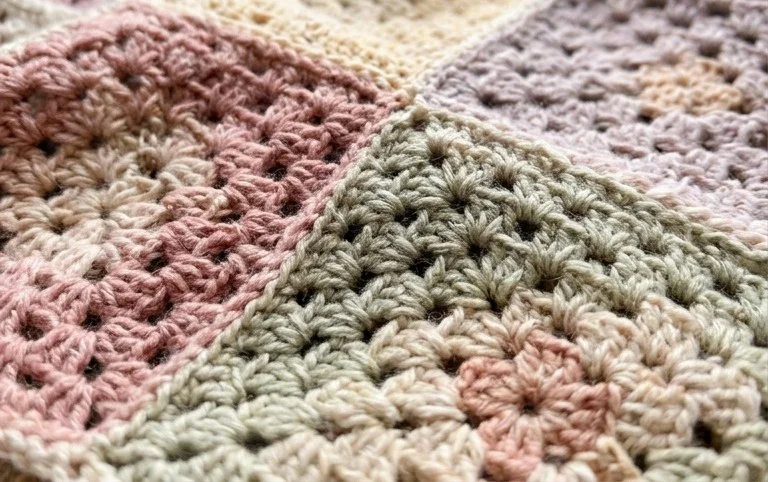
A blanket made from crochet squares has a satisfying weight and a personal look, especially when the final border brings all the motifs together. For a simple variation, keep the same square pattern but change colors every few rounds, or use a larger hook for a softer drape. Share a photo of your finished blanket on Pinterest or your favorite social platform so other makers can see your color choices and layout. If you’re ready to start another project, explore more free crochet patterns on the blog, including smaller makes that use up leftover yarn.