Easy Kreisel Fingerless Crochet Gloves Free Pattern
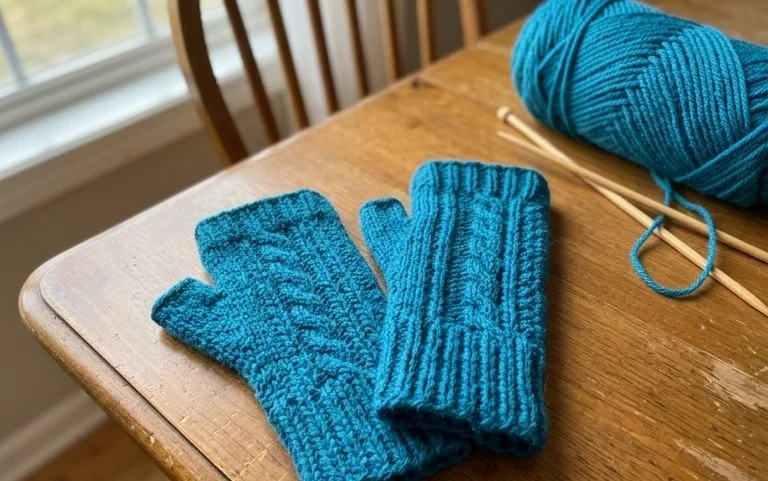
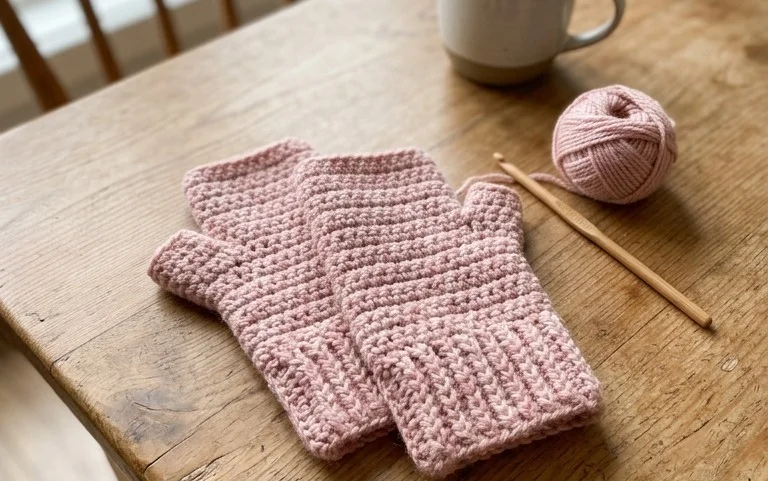
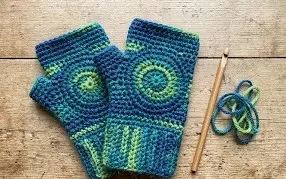
Soft yarn and a gently rounded shape give these fingerless gloves a cozy feel while leaving your fingers free for typing, reading, or holding a mug. The Kreisel design adds a distinctive circular look that makes a simple pair feel special without requiring a complicated project. Beginners can build confidence with the repeated crochet technique, while experienced makers can enjoy a satisfying project that works up into a useful gift. The pattern explains how to shape the hand and leave room for the thumb, so the gloves sit comfortably without restricting movement. You’ll also find guidance on choosing yarn and checking fit as you go. Make a pair for cool mornings, chilly indoor spaces, or a handmade gift with everyday use.
Why You’ll Love This Pattern
A square of tightly worked cotton absorbs spills well and holds up to repeated washing. This beginner-friendly dishcloth uses single crochet throughout, so you can focus on an even fabric instead of managing complicated stitch changes.
The simple rows are easy to pick up again after a break, and one cloth takes about 1–2 hours, depending on your pace. A single 100-yard ball of worsted cotton is usually enough, making this a useful project for leftover yarn. The finished cloth also makes a practical handmade gift for a new home.
The rows were easy to keep straight, and the cotton made a sturdy cloth that washes well. I finished mine in an evening.
— Mia, home crocheter
Pattern Overview & Skill Level
- Skill Level: Beginner. You need to know how to chain and single crochet.
- Approximate Time: 1–2 hours, depending on your tension and experience.
- Construction: Worked flat in back-and-forth rows from the bottom edge. The cloth is a plain square with no seaming or separate pieces.
- Finished Dimensions & Sizing: About 8 × 8 inches (20 × 20 cm) after washing and drying flat. Aim for a gauge of 15 single crochet stitches and 16 rows over 4 inches (10 cm). Exact size can vary with yarn, hook, and tension.
Materials & Supplies Needed
- Yarn: About 90–100 yards of worsted-weight (#4) 100% cotton yarn in one color. Cotton is absorbent and tolerates frequent washing. A solid or lightly textured yarn makes it easier to see your stitches.
- Hook Size: 5.0 mm / H-8 crochet hook. Use the hook that gives you the stated gauge; choose a smaller hook if your fabric is loose.
- Notions: Tapestry needle for the yarn tail, scissors, and a ruler or measuring tape. A stitch marker is optional for marking the first stitch of a row.
- Safe yarn substitutions: A similar-weight cotton-linen blend can work, though it may feel firmer and drape less. Avoid acrylic for a dishcloth that needs to absorb water. A thinner yarn or smaller hook makes a smaller, denser cloth; a thicker yarn or larger hook makes a larger, looser cloth and uses more yarn.
Stitch Guide & Abbreviations (US Terms)
- ch = chain.
- sc = single crochet: insert the hook into the indicated stitch, yarn over and pull up a loop, yarn over and pull through both loops on the hook.
- st / sts = stitch / stitches.
- turn = rotate the work so you can crochet across the next row.
The turning chain at the start of each row does not count as a stitch. Work the first single crochet into the first stitch of the row, not into the turning chain. This keeps the edges straight and the stitch count consistent.
Step-by-Step Pattern Instructions
Dishcloth
Check your gauge before continuing if you want the finished cloth close to 8 inches square. Make a small swatch in single crochet, measure across the center, and adjust your hook if needed. The chain is the starting edge; the rows build the other dimension.
- Row 1: Chain 31. Single crochet in the second chain from the hook and in each chain across. Turn. (30 sts)
- Row 2: Chain 1. Single crochet in each stitch across. Turn. (30 sts)
- Rows 3–32: Repeat Row 2. At the end of Row 32, fasten off, leaving a tail about 6 inches (15 cm) long. (30 sts each row)
Count the stitches at the end of every few rows, especially while you are learning. If the cloth starts narrowing, you may have missed the first stitch. If it widens, you may have worked into the turning chain by mistake.
Finishing
Thread the tail through a tapestry needle. Weave it through the backs of several stitches along the edge, then change direction and weave through a few more stitches so it is less likely to loosen in the wash. Trim the remaining end close to the fabric without cutting a stitch. Weave in the starting tail the same way. Wash and lay the cloth flat to dry, smoothing the corners into a square.
Care & Washing Instructions
- Wash cotton in cool or warm water, up to 40°C (104°F), with similar colors; check the yarn label before using bleach.
- Dry flat when possible to help the cloth keep its shape and reduce wear from a hot dryer.
- After washing, reshape the edges and corners while damp; follow the yarn label if you use a cotton blend.
Pro Tips & Common Mistakes to Avoid
- Keep your starting chain relaxed. A tight chain can pull the first edge inward, so use a slightly larger hook just for the chain if needed, then switch back for the rows.
- Count the 30 stitches regularly. Place a marker in the first stitch of each row if you tend to lose track at the edge; move it up as you work.
- Weave in each tail along the edge, then change direction for a short section. This helps keep the ends secure through repeated washing.
- To change the width, chain one more than the number of stitches you want. For example, chain 36 for 35 single crochet stitches. Add or remove rows to change the length; a larger cloth needs more yarn, while a smaller one uses less.
Frequently Asked Questions
Can I use a different cotton yarn?
Yes. Choose a worsted-weight cotton or cotton blend with a similar thickness. A mercerized cotton may feel smoother and slightly less absorbent, while a rustic cotton-linen blend can feel firmer. Check your gauge and remember that a different fiber can change the finished size and texture.
How can I make the dishcloth larger or smaller?
Change the starting chain to adjust the width, then work more or fewer rows to adjust the length. The pattern uses one single crochet in each stitch, so the number of stitches across will equal the starting chain minus one. Larger dimensions require additional yarn.
Is this pattern suitable for a first crochet project?
Yes. It uses only chains and single crochet, with no increases, decreases, or joins. The main challenge is keeping the edges even, so count 30 stitches across each row and check your work every few rows.
May I sell dishcloths made from this pattern?
You can sell finished items if the designer’s terms allow it. Check the pattern’s usage rules before listing your work, and write your own product description and photos rather than presenting the pattern itself as your own.
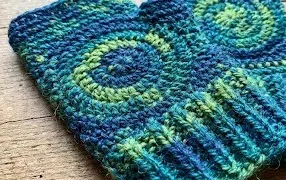
Your finished gloves bring a little warmth to cool days while keeping your fingertips free for everyday tasks. A single-color pair shows off the rounded Kreisel texture clearly, but you could also use two coordinating shades for a gentle color change. Take a quick photo when you finish and share it on Pinterest or your favorite social media account; seeing how different yarns change the look is part of the fun. If you adjust the fit, try the gloves on as you work and add or remove a few rounds rather than waiting until the end. Keep the pattern handy for another pair, and explore more free crochet patterns on the blog when you’re ready to choose your next project.